Tfuo ???
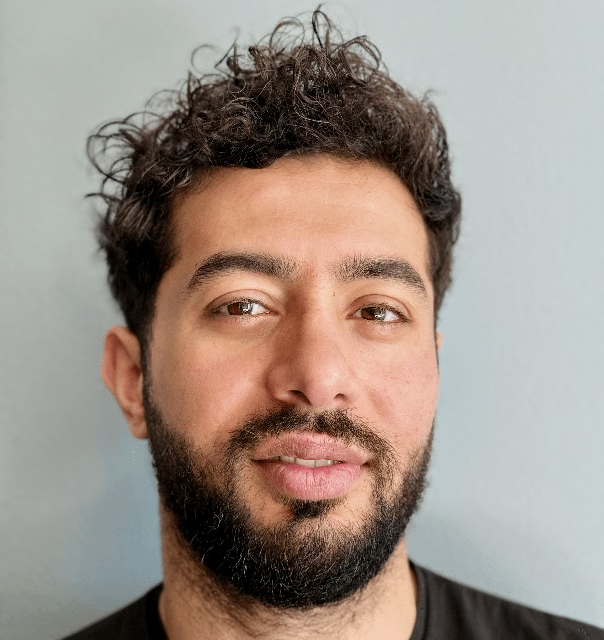 Isshaq Albarbary

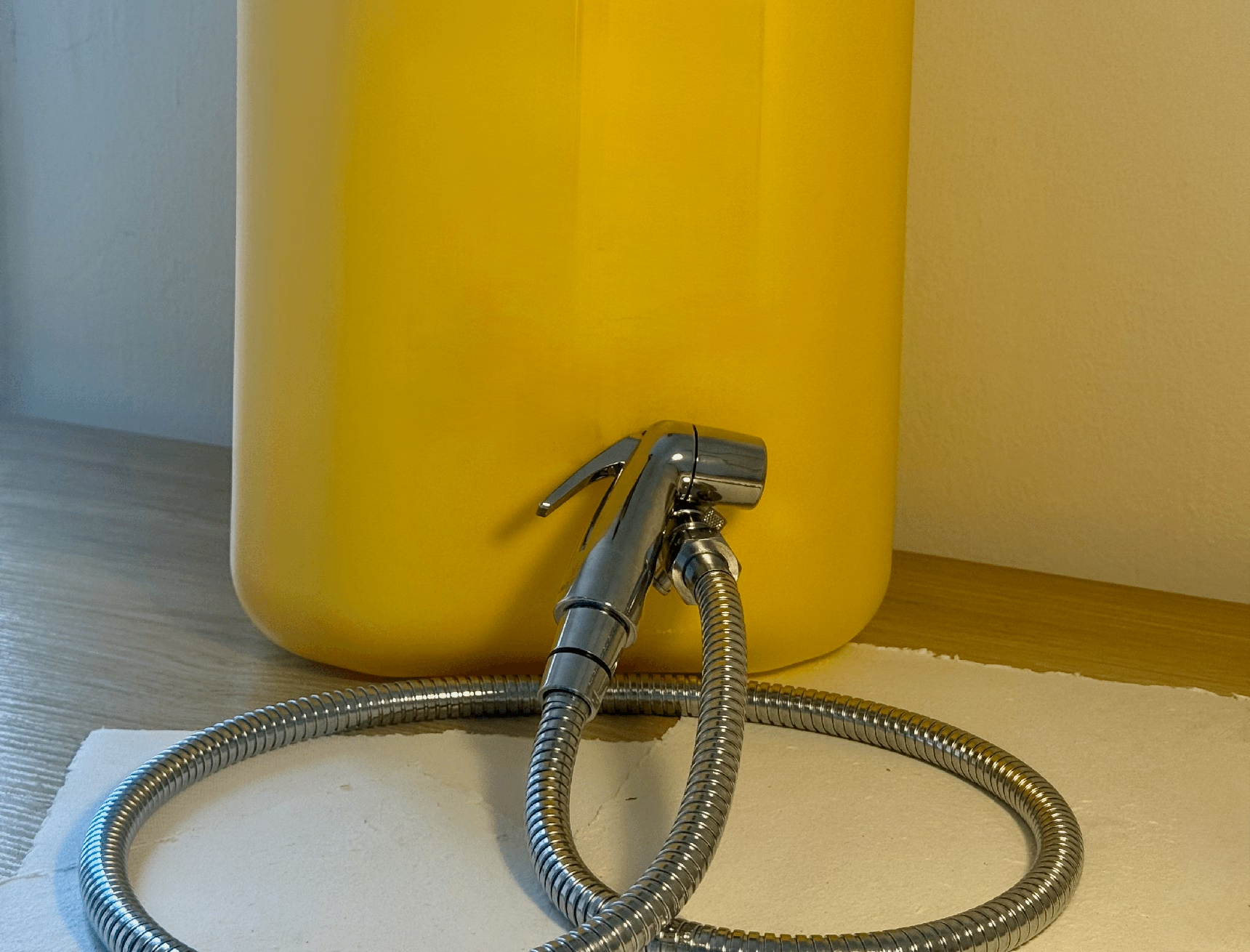
Isshaq Albarbary received a grant for the development of installation-based performance transforming everyday and bureaucratic objects into a system of embodied, relational meaning. Drawing from his refugee camp, he links an aged UNRWA water jerry can to shattafa (hand-held bidet) and converts Dutch naturalization documents, marked by waiting, erasure, and administrative control, into a sculptural roll of toilet paper. Through these interactions, Albarbary senses and thinks with body, memory, and matter under the pressures of statelessness and settler colonialism. These objects, shaped by survival, desire, longing, and bureaucratic constraint, form flows of movement and pressure, turning cleansing into a performative ethical practice.
Isshaq is a Palestinian multidisciplinary artist working across performance, installation, video, and text. He engages objects and materials from refugee camp infrastructures and humanitarian aid as carriers of what he terms stateless refugee heritage. Informed by his methodology of tanaaqush (Arabic for “discussion"), his current work centers craving as an artistic method for sensing and thinking through the body, memory, and matter under the pressures of settler colonialism, incarceration, and bureaucratic erasure. Isshaq holds an MFA from HKU, Utrecht, and was a 2017–2018 fellow at BAK. He is a founding member of Al Maeishah and was part of Campus in Camps. His work presented at Oude Kerk Amsterdam, Van Abbemuseum, de Appel Amsterdam, Serralves Museum Porto, the Renaissance Society Chicago, the São Paulo Biennial, the Creative Time Summit, and Documenta 14.